The person behind the work.

I work with high-functioning adults whose brains are doing their best — but aren't regulating as effectively as they need to. This isn't about pushing harder or fixing yourself. It's about helping your nervous system work the way it's supposed to.
My path into this work
For most of my career, I looked fine on the outside. Inside, focus was inconsistent, effort felt disproportionate, and stress lingered longer than it should.
I tried systems and discipline — short bursts of improvement, but nothing lasting. What finally changed wasn't more effort. It was understanding how my brain regulated under load, and learning to train it differently.
That's what led me into neurotherapy.
What I do now
I work directly with the brain's regulation systems — personalized neurofeedback, targeted neuromodulation, and QEEG/ERP brain mapping.
The goal isn't to chase symptoms. It's to understand how your nervous system is regulating and adapt training as your brain changes.
This is training, not treatment. It isn't instant. But when regulation improves, the effects compound.
How I approach this work
Most people I see don't lack motivation or intelligence. The issue is upstream — a nervous system stuck in patterns of over-effort, reactivity, or depletion.
My role isn't to push harder. It's to help your brain relearn regulation — so focus holds, stress resolves, and effort feels proportional.
No hype. No one-size-fits-all protocols.
Mentorship and collaboration
I don't work in isolation. My work is informed by ongoing mentorship and collaboration with leaders in neuroscience and neurotherapy, including:
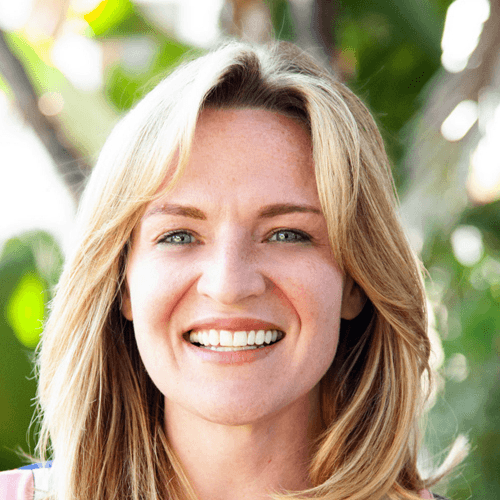
Dr. Tiff Thompson
PhD, MFT, BCN, QEEG-D, R-EEG-T, CEO NeuroField Neurotherapy
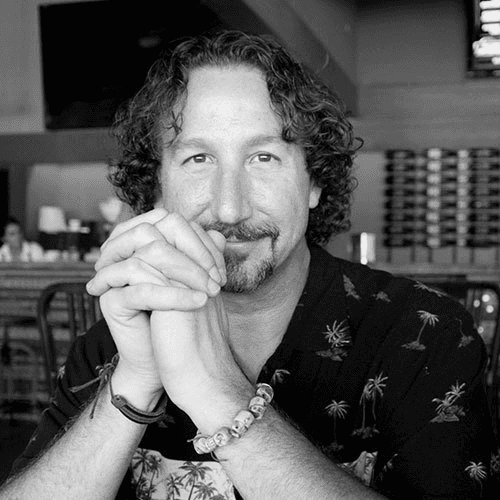
Dr. Nicholas J. Dogris
Ph.D., BCN, QEEG-D, CEO & Co-Founder, NeuroField, Inc.
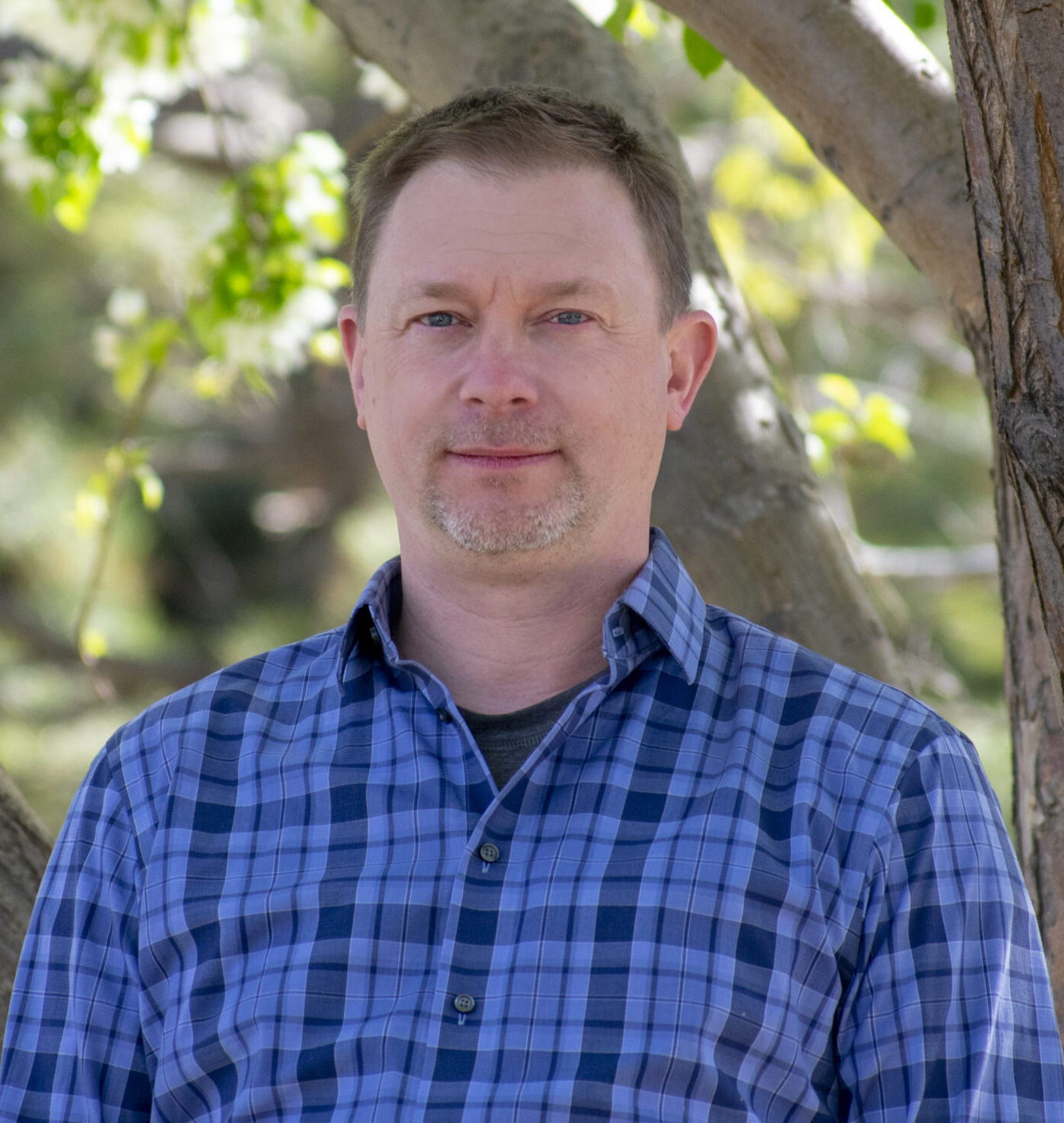
Dr. Michael Pierce
DC, DACNB, FACFN, QEEG-DL
This collaborative foundation helps ensure the work stays grounded, ethical, and responsive — not trend-driven.
Start with a conversation.
No pressure. No hype. Just a clear, human-first look at what's happening — and whether this work makes sense for you.
Free · 20 minutes · No pressure
Peak Mind
Phone
Hours
Mon – Fri
8 AM – 6 PM
Sat
By appointment
Sun
Closed
Peak Mind
Phone
Hours
Mon – Fri
8 AM – 6 PM
Sat
By appointment
Sun
Closed
My path into this work
For most of my career, I looked fine on the outside. Inside, focus was inconsistent, effort felt disproportionate, and stress lingered longer than it should.
I tried systems and discipline — short bursts of improvement, but nothing lasting. What finally changed wasn't more effort. It was understanding how my brain regulated under load, and learning to train it differently.
That's what led me into neurotherapy.
What I do now
I work directly with the brain's regulation systems — personalized neurofeedback, targeted neuromodulation, and QEEG/ERP brain mapping.
The goal isn't to chase symptoms. It's to understand how your nervous system is regulating and adapt training as your brain changes.
This is training, not treatment. It isn't instant. But when regulation improves, the effects compound.
How I approach this work
Most people I see don't lack motivation or intelligence. The issue is upstream — a nervous system stuck in patterns of over-effort, reactivity, or depletion.
My role isn't to push harder. It's to help your brain relearn regulation — so focus holds, stress resolves, and effort feels proportional.
No hype. No one-size-fits-all protocols.
Mentorship and collaboration
I don't work in isolation. My work is informed by ongoing mentorship and collaboration with leaders in neuroscience and neurotherapy, including:
Dr. Michael Pierce
DC, DACNB, FACFN, QEEG-DL
This collaborative foundation helps ensure the work stays grounded, ethical, and responsive — not trend-driven.